Posts Tagged ‘Speaking for Spot’
Sunday, February 19th, 2012
Have you seen the National Geographic show, “The Incredible Dr. Pol?” This is a reality television series that films Dr. Jan Pol, a country veterinarian in Michigan as he works on all creatures, large and small.
Apparently, many viewers love the show. Perhaps it conjures up warm fuzzy feelings, reminiscent of the beloved James Herriot. Others, however, have voiced concerns about the way “The Incredible Dr. Pol” portrays the veterinary profession.
Those doing the griping- publicly, that is- happen to be veterinarians. They feel that Dr. Pol’s style of practice falls way short of what is considered “modern medicine.” In a recent DVM Magazine article, veterinarian Dr. Angel Brothers is quoted as saying, “The show is glorifying substandard veterinary care.” She sites two examples, one in which Dr. Pol splints a calf’s leg using wood slivers from a bushel basket. In the second example, a dog’s tail has been partially cut off by a screen door, and Dr. Pol stitches it up with little anesthesia and the owner holding the dog down.
Within the DVM Magazine article Dr. Dallas McMillan of Queensland, Australia states,
We still get owners asking if we can do surgery on dogs under local and thinking a steroid injection is the gold standard treatment for any condition. It only takes one vet in an area practicing at this standard and the others appear to be over-servicing to budget-conscious clients. There are times when you do need to take shortcuts, but there are always risks and downsides, and it sounds like this show is glorifying the “cowboy” approach to vet science without exploring the negatives.
How has National Geographic responded to the criticism? According to their spokesperson, Rajul Mistry,
It is an undisputed fact that Dr. Pol has helped thousands of animals throughout his 40-year career as a veterinarian. His very successful clinic has been in business for 30 years, where residents of Michigan count on him to help their sick pets and farm animals. Within the community, Dr. Pol is widely trusted by his clients. He plays an integral role in keeping local farmers’ livestock healthy and in turn, their businesses profitable.
I’ve never watched “The Incredible Dr. Pol” (true confession- I don’t own a television). Have you? If so, what is your take on this issue?
Best wishes,
Nancy Kay, DVM
Diplomate, American College of Veterinary Internal Medicine
Author of Speaking for Spot: Be the Advocate Your Dog Needs to Live a Happy, Healthy, Longer Life
Author of Your Dog’s Best Health: A Dozen Reasonable Things to Expect From Your Vet
Recipient, Leo K. Bustad Companion Animal Veterinarian of the Year Award
Recipient, American Animal Hospital Association Animal Welfare and Humane Ethics Award
Recipient, Dog Writers Association of America Award for Best Blog
Recipient, Eukanuba Canine Health Award
Recipient, AKC Club Publication Excellence Award
Become a Fan of Speaking for Spot on Facebook
Please visit http://www.speakingforspot.com to read excerpts from Speaking for Spot and Your Dog’s Best Health. There you will also find “Advocacy Aids”- helpful health forms you can download and use for your own dog, and a collection of published articles on advocating for your pet’s health. Speaking for Spot and Your Dog’s Best Health are available at www.speakingforspot.com, Amazon.com, local bookstores, and your favorite online book seller.
Tags: Dr. Angel Brothers, Dr. Dallas McMillan, Dr. Nancy Kay, Dr. Pol, DVM, Nancy Kay, National Geographic, Rajul Mistry, Speaking for Spot, substandard veterinary care, the incredible Dr. Pol, Your Dog's Best Health
Posted in Speaking for Spot, Veterinary Care | 14 Comments »
Thursday, February 9th, 2012
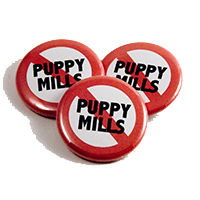
I read the article in the Canandaigua Messenger A with disbelief. It appears that the town of Gorham, New York is rolling out the red carpet for a large-scale puppy mill expected to house 500 breeding dogs (yes, you read this correctly, there will be 500). The proprietors, Curtis and Jolene Martin are not new to puppy milling. In fact, they have been previously cited for their work- busted by the USDA for violations such as rodent droppings in whelping boxes, sick and injured dogs on the premises, and inadequate staffing.
Mr. Martin maintains that he is not into mass breeding just for the money. He states:
We don’t just produce as many puppies as we can, that’s not our goal. Yes, we do have to do that but it’s not the main reason we’re in it. We’re in it for the animals.
Have a look at the minutes from the December 19, 2012 Town of Gorham Planning Board Meeting. Be forewarned, reading these minutes made me feel sick inside. There was plenty of discussion

Photo Credit: Diana Gerba
about numbers of dogs (not to worry, puppies don’t take up much room), noise prevention (not to worry, the dogs will be housed completely indoors with plenty of sound-proofing), and composting and burying of dead dogs (not to worry, there will be enough containment so as to prevent water contamination in the neighborhood). Never once during the lengthy discussion did a single board member question how the dogs would be exercised, how they would be fed, what size cages would be provided, or how the emotional needs of the dogs would be met. Was there not a single dog lover in that boardroom?
I’m not naïve enough to believe that what’s happening in Gorham, New York isn’t happening in many other towns throughout the United States. Perhaps this situation strikes a particularly sensitive nerve because it is happening in the state where I attended veterinary school and received an extraordinary education. On the one hand New York trains veterinarians to care adeptly and compassionately for dogs. With the other hand they welcome the abuse of dogs. I suspect that the Gorham town board members have their eyes focused on the prize. Can you imagine the tax revenue stream from the sale of thousands and thousands of purebred puppies?
What can you do to help stop such madness? If you happen to live in the vicinity of Gorham, New York please contact city and county officials there to find out what would be needed to change their minds about welcoming the Martins or any other puppy millers into your community.
If you don’t live in or near Gorham, but feel fired up about what is going on there please put that energy to good use. Puppy mills exist throughout the United States. Learn more about what is happening in your neck of the woods and begin a letter writing campaign, organize a peaceful protest, educate a classroom of children about puppy mills, counsel a friend or relative who is ready to purchase a purebred pup on how to find a reputable breeder or rescue organization. Never ever purchase a pup from a pet store or online site and sight unseen. Feel free to share this blog post. Every little bit helps. One less purchase from a puppy mill brings us one step closer to their eradication.
How do you feel after reading the minutes from Town of Gorham Planning Board Meeting?
Best wishes,
Nancy Kay, DVM
Diplomate, American College of Veterinary Internal Medicine
Author of Speaking for Spot: Be the Advocate Your Dog Needs to Live a Happy, Healthy, Longer Life
Author of Your Dog’s Best Health: A Dozen Reasonable Things to Expect From Your Vet
Recipient, Leo K. Bustad Companion Animal Veterinarian of the Year Award
Recipient, American Animal Hospital Association Animal Welfare and Humane Ethics Award
Recipient, Dog Writers Association of America Award for Best Blog
Recipient, Eukanuba Canine Health Award
Recipient, AKC Club Publication Excellence Award
Become a Fan of Speaking for Spot on Facebook
Please visit http://www.speakingforspot.com to read excerpts from Speaking for Spot and Your Dog’s Best Health. There you will also find “Advocacy Aids”- helpful health forms you can download and use for your own dog, and a collection of published articles on advocating for your pet’s health. Speaking for Spot and Your Dog’s Best Health are available at www.speakingforspot.com, Amazon.com, local bookstores, and your favorite online book seller.
Tags: Canandaigua Messenger Post, Curtis Martin, Dr. Nancy Kay, Gorham, Jolene Martin, Nancy Kay DVM, New York, puppy millers, puppy mills, Speaking for Spot, USDA, veterinary school, Your Dog's Best Health
Posted in Animal Abuse, Animal Welfare, puppy mills, Puppy Mills, Speaking for Spot, Your Dog's Best Health | 32 Comments »
Saturday, February 4th, 2012
Boy, oh boy, am I glad I am not the CEO of Novartis Pharmaceuticals right now. On January 9th of this year the company issued a voluntary recall of some of their over-the-counter human products including Excedrin, NoDoz, Gas-X Prevention Products, and Bufferin. It seems that these medications contained stray tablets, capsules, or caplets from other Novartis drugs including prescription painkillers manufactured at the same facility.
Now veterinarians are involved in the ruckus with the announcement that the following drugs are/soon will be on back order:
Interceptor Flavor Tabs® (heartworm preventive)
Sentinel Flavor Tabs® (flea control product)
Program Tablets and Suspension® (flea control product)
MilbeMite® (medication to treat ear mites)
Deramaxx® (pain relief medication)
The explanation for the backorders is closure of a Novartis manufacturing facility in Lincoln, Nebraska. The details are murky as of yet, but interruption of the manufacture of such top selling drugs typically means one thing and one thing only. I suspect that Novartis has been busted for being sloppy, perhaps as related to the recent recall of some of their big-name over-the-counter human products.
Such sloppiness seems to have spilled over to the Novartis animal health division as evidenced by the following letter recently delivered to veterinarians about Clomicalm®, a medication to treat separation anxiety in dogs:
Dear Doctor:
Novartis Animal Health US, Inc. is committed to delivering safe and efficacious veterinary products, and would like to inform you about a recent development involving CLOMICALM® (clomipramine hydrochloride) tablets.
Due to potential packaging issues at our manufacturing facility, there is a rare possibility that a wrong tablet may be found in bottles of CLOMICALM. Novartis has not received any reports where a patient experienced a product mix-up, nor has Novartis received any adverse events attributable to a product mix-up. However, as a precautionary measure, we would like to extend the following recommendations.
- Before dispensing CLOMICALM, open each bottle and examine the contents for tablets that are broken or incorrect in color, shape or size (visual guide included).
- Post a copy of the Dear Valued Customer letter issued by Novartis Animal Health in your clinic (copy included).
- Distribute copies of the Dear Valued Customer letter to affected pet owners. Novartis Animal Health will send your clinic extra copies upon request. If you publish a clinic newsletter, please consider using the provided notice.
- Report any abnormal findings to Novartis Animal Health at 800-637-0281.
- Return affected product to Novartis Animal Health; call the aforementioned number for full details.
- Inform your clients who have already received CLOMICALM® to examine tablets and refrain from administering any that are questionable in color, shape or size; and to contact Novartis Animal Health to discuss product return of affected bottles.
- Keep records of communication with pet owners in patient files.
- Ensure that any re-packaged tablet bottles are labeled with the product lot number.
Novartis Animal Health requests that you complete and return the enclosed Response Card reflecting that you have read and understand these points, and have discussed them with your clients.
Canine separation anxiety is a complex disorder that has great bearing on patient quality of life and the human-companion animal bond. Uninterrupted treatment is essential for successful management of this condition. Our veterinarians are prepared to discuss best practices with you in the event patients require alternative therapies, in order to minimize the risk of adverse events and potential relapse of signs.
We thank you for your attention and cooperation regarding this important issue. If you have any further questions, please contact Technical Product Services and Pharmacovigilance at 1-800-637-0281.
My response to a letter like this is, “Oy vey!” although I admit to being excited about adding the word “pharmacovigilance” to my repertoire!
So, what does this mean for you and your pets? If you are treating your dog or cat with a product manufactured by Novartis Animal Health, I strongly encourage you to call or email your veterinarian to plan a course of action. If need be, he or she may recommend an alternative so as to avoid any interruption in your pet’s therapy.
Is your dog or cat currently taking a Novartis product? If so, which one?
Best wishes,
Nancy Kay, DVM
Diplomate, American College of Veterinary Internal Medicine
Author of Speaking for Spot: Be the Advocate Your Dog Needs to Live a Happy, Healthy, Longer Life
Author of Your Dog’s Best Health: A Dozen Reasonable Things to Expect From Your Vet
Recipient, Leo K. Bustad Companion Animal Veterinarian of the Year Award
Recipient, American Animal Hospital Association Animal Welfare and Humane Ethics Award
Recipient, Dog Writers Association of America Award for Best Blog
Recipient, Eukanuba Canine Health Award
Recipient, AKC Club Publication Excellence Award
Become a Fan of Speaking for Spot on Facebook
Please visit http://www.speakingforspot.com to read excerpts from Speaking for Spot and Your Dog’s Best Health. There you will also find “Advocacy Aids”- helpful health forms you can download and use for your own dog, and a collection of published articles on advocating for your pet’s health. Speaking for Spot and Your Dog’s Best Health are available at www.speakingforspot.com, Amazon.com, local bookstores, and your favorite online book seller.
Tags: Bufferin, Clomicalm, Deramaxx, Dog care, dog health care, Dr. Nancy Kay, Excedrin, FDA inspection, Gas-X, Interceptor Flavor Tabs, MilbeMite, Nancy Kay DVM, NoDoz, Novartis Animal Health, Novartis Pharmaceuticals, pet medications, pharmacovigilance, Program Tablets and Suspension, Sentinel Flavor Tabs, Speaking for Spot, Your Dog's Best Health
Posted in Medications, Nancy Kay DVM, Product Recall, Speaking for Spot, Veterinary Office Visits, Your Dog's Best Health | 14 Comments »
Sunday, January 29th, 2012
Having graduated from veterinary school in 1982, this year marks my 30th year practicing veterinary medicine! Wow, that’s a lot of years! What feels most remarkable is that I’ve been able to work at the same profession for so long without becoming bored or complacent. I’m certain the reason is that not a single week goes by without my seeing or experiencing something new and exciting.
Take Dottie, for example. This exuberant 5-year-old spayed female Jack Russell Terrier mix was referred to me because of persistent vomiting despite treatment with a variety of medications. Little Miss Dot continued to eat well and she remained normally active, but her daily vomiting continued. Blood and urine testing were normal as were x-rays of her belly.

Physaloptera worms. Photo Credit vet.ohio-state.edu.
When I examined Dottie, had I not known better I would have thought she was a completely healthy little girl. I performed abdominal ultrasound, the results of which were normal. The next step was endoscopy in which a long telescope device was passed down her esophagus and into her stomach and upper small intestine. Lo and behold, when I entered Dot’s stomach I was greeted by a herd of little white worms! They were crawling every which way and many dove into their burrows within the lining of Dot’s stomach in response to the bright light of the endoscope. No wonder the poor girl was vomiting!
Never before thirty years of practice have I seen stomach worms, aka Physaloptera! I’ve just moved cross-country, so I assumed that I’d just encountered my first case of a disease that must be common in the Carolinas. Not so! Other than as photos in a textbooks, none of my coworkers had ever before seen Physaloptera. There was a crowd of twenty or so people crowded into the endoscopy suite in order to have a look. (I should have charged admission!)
Intestinal worms in dogs and cats are commonplace. Worms living (and burrowing) in the stomach are a rarity and I may have encountered my first and only career case of Physaloptera. These worms are transmitted via insects such as beetles, cockroaches, and crickets. Dogs who eat such critters are subject to developing stomach worms. The eggs of the worm may show up via fecal flotation (the stool sample is examined under the microscope). Veterinarians don’t commonly think of running fecals on patients with vomiting as the only symptom. I certainly won’t be skipping this test in the future! Running a simple fecal flotation is far less expensive and a whole lot easier on the patient than an endoscopic procedure.
Dot received the appropriate deworming medication and her vomiting has completely resolved. Her doting family members are thrilled with the outcome and they are going to do their best to prevent their little girl from snacking on insects in the future.
Do you encounter new and exciting things in your chosen profession? Please do tell!
Best wishes,
Nancy Kay, DVM
Diplomate, American College of Veterinary Internal Medicine
Author of Speaking for Spot: Be the Advocate Your Dog Needs to Live a Happy, Healthy, Longer Life
Author of Your Dog’s Best Health: A Dozen Reasonable Things to Expect From Your Vet
Recipient, Leo K. Bustad Companion Animal Veterinarian of the Year Award
Recipient, American Animal Hospital Association Animal Welfare and Humane Ethics Award
Recipient, Dog Writers Association of America Award for Best Blog
Recipient, Eukanuba Canine Health Award
Recipient, AKC Club Publication Excellence Award
Become a Fan of Speaking for Spot on Facebook
Please visit http://www.speakingforspot.com to read excerpts from Speaking for Spot and Your Dog’s Best Health. There you will also find “Advocacy Aids”- helpful health forms you can download and use for your own dog, and a collection of published articles on advocating for your pet’s health. Speaking for Spot and Your Dog’s Best Health are available at www.speakingforspot.com, Amazon.com, local bookstores, and your favorite online book seller.
Tags: Deworming, Dr. Nancy Kay, DVM, endoscopy, Fecal flotation, Nancy Kay, Physaloptera, Speaking for Spot, Stomach worms, Vomiting in dogs, Your Dog's Best Health
Posted in Dog health, dog health care, Dr. Nancy Kay, Second opinions, Speaking for Spot, Veterinary Diagnostic Procedures, Veterinary Specialists, Your Dog's Best Health | 9 Comments »
Sunday, January 22nd, 2012

Photo Credit: The Pet Doctor Inc.
I have great respect for the American Animal Hospital Association (AAHA). One of the many wonderful things this organization does is the gathering of experts within the profession to create practice guidelines for veterinarians. In the past, for example, I’ve exposed you to AAHA guidelines for vaccination protocols. Not only are such guidelines helpful for veterinarians, they are also available to you, the consumers of veterinary medicine. With such information in hand, I’ve no doubt that you will be better able to make informed decisions for your pets. And there’s nothing I like better than helping people become better medical advocates!
AAHA’s latest endeavor has been the creation of guidelines for anesthesia for dogs and cats. They cover multiple aspects of anesthesia including preanesthesia patient evaluation (detailed medical history, thorough physical examination, assessment of risk based on breed, age, and overall health), diagnostic evaluation, preanesthetic medications, recommendations for induction and maintenance of anesthesia, monitoring parameters and equipment, pain management, staffing recommendations, and monitoring of the patient following anesthesia. Did you know that 47 percent of canine deaths and 60 percent of feline deaths associated with anesthesia occur during the anesthetic recovery period rather than during the actual anesthesia? I had a hunch about this, but was unaware of these statistics until I read the Anesthesia Guidelines.
As a small animal internist, it’s a given that I only see patients who are sick. (I truly miss all of those well puppy and kitten exams!) So, I truly appreciate the section written about managing anesthesia for patients with preexisting medical issues including kidney disease, diabetes, heart disease, and liver disease.
Although the AAHA guidelines are written for veterinarians, I encourage you to take a look. Let me know if you need any help interpreting what you read. Keep in mind that these guidelines are simply that- guidelines. Veterinarians are not required to follow them. This is why it is up to you to ask the right questions to learn how your veterinary staff members anesthetize and monitor their patients. In addition to reading these guidelines when formulating your list of questions, I encourage you to also read the chapter called “Important Questions to Ask Your Vet…And How to Ask Them” in Speaking for Spot. There, you will find a thorough list of questions to ask your vet when anesthesia is recommended. Perhaps the very first question should be, “Have you read the new AAHA Anesthesia Guidelines?”
What have your experiences been with pets undergoing anesthesia?
Best wishes for a happy new year,
Nancy Kay, DVM
Diplomate, American College of Veterinary Internal Medicine
Author of Speaking for Spot: Be the Advocate Your Dog Needs to Live a Happy, Healthy, Longer Life
Author of Your Dog’s Best Health: A Dozen Reasonable Things to Expect From Your Vet
Recipient, Leo K. Bustad Companion Animal Veterinarian of the Year Award
Recipient, American Animal Hospital Association Animal Welfare and Humane Ethics Award
Recipient, Dog Writers Association of America Award for Best Blog
Recipient, Eukanuba Canine Health Award
Recipient, AKC Club Publication Excellence Award
Become a Fan of Speaking for Spot on Facebook
Please visit http://www.speakingforspot.com to read excerpts from Speaking for Spot and Your Dog’s Best Health. There you will also find “Advocacy Aids”- helpful health forms you can download and use for your own dog, and a collection of published articles on advocating for your pet’s health. Speaking for Spot and Your Dog’s Best Health are available at www.speakingforspot.com, Amazon.com, local bookstores, and your favorite online book seller.
Tags: AAHA, AAHA Guidelines, American Animal Hospital Association, American Animal Hospital Association Guidelines, anesthesia, Anesthesia for cats, Anesthesia for dogs, Diabetes and anesthesia, Heart disease and anesthesia, Kidney disease and anesthesia, Liver disease and anesthesia, Medical Advocacy, medical advocate, Monitoring anesthesia, Pain management for pets, Speaking for Spot
Posted in Dog health, Medical Advocacy, Medicine Decision Making, Speaking for Spot, Your Dog's Best Health | 8 Comments »
Sunday, January 15th, 2012
The Executive Board of the American Veterinary Medical Association (AVMA) recently approved the content of the following brand new, hot-off-the-press pet ownership guidelines. Have a look and see what you think.

Photo Credit: Elisabeth Sherman
Guidelines for Responsible Pet Ownership
Owning a pet is a privilege and should result in a mutually beneficial relationship. However, the benefits of pet ownership come with obligations.
Responsible pet ownership includes:
• Committing to the relationship for the life of the pet(s).
• Avoiding impulsive decisions about obtaining pet(s), and carefully selecting pet(s) suited to your home and lifestyle.
• Recognizing that ownership of pet(s) requires an investment of time and money.
• Keeping only the type and number of pets for which an appropriate and safe environment can be provided, including adequate and appropriate food, water, shelter, health care and companionship.
• Ensuring pets are properly identified (i.e., tags, microchips, or tattoos) and that registration information in associated databases is kept up-to-date.
•Adherence to local ordinances, including licensing and leash requirements.
• Controlling pet(s) reproduction through managed breeding, containment, or spay/neuter, thereby helping to address animal control and overpopulation problems.
• Establishing and maintaining a veterinarian-client-patient relationship.
• Providing preventive (e.g., vaccinations, parasite control) and therapeutic health care for the life of the pet(s) in consultation with, and as recommended by, its veterinarian.
• Socialization and appropriate training for pet(s), which facilitates their well-being and the well-being of other animals and people.
• Preventing pet(s) from negatively impacting other people, animals and the environment, including proper waste disposal, noise control, and not allowing pet(s) to stray or become feral.
• Providing exercise and mental stimulation appropriate to the pet(s)’ age, breed, and health status.
• Advance preparation to ensure the pet(s)’ well-being in the case of an emergency or disaster, including assembling an evacuation kit.
• Making alternative arrangements if caring for the pet is no longer possible.
• Recognizing declines in the pet(s) quality of life and making decisions in consultation with a veterinarian regarding appropriate end-of-life care (e.g., palliative care, hospice, euthanasia).
“AMEN!” is my response to these guidelines and kudos to the AVMA for issuing them forth to the public. Now, if only they were rules rather than mere guidelines! With all due respect to the AVMA, I would add one more item to their guidelines as a means of working towards the extinction of puppy mills. That item would be, “Never, ever purchase a puppy from a pet store or online site and sight unseen.”
What do you think of these AVMA guidelines for responsible pet ownership? Do you have any suggested additions for the AVMA to consider?
Best wishes for a happy new year,
Nancy Kay, DVM
Diplomate, American College of Veterinary Internal Medicine
Author of Speaking for Spot: Be the Advocate Your Dog Needs to Live a Happy, Healthy, Longer Life
Author of Your Dog’s Best Health: A Dozen Reasonable Things to Expect From Your Vet
Recipient, Leo K. Bustad Companion Animal Veterinarian of the Year Award
Recipient, American Animal Hospital Association Animal Welfare and Humane Ethics Award
Recipient, Dog Writers Association of America Award for Best Blog
Recipient, Eukanuba Canine Health Award
Recipient, AKC Club Publication Excellence Award
Become a Fan of Speaking for Spot on Facebook
Please visit http://www.speakingforspot.com to read excerpts from Speaking for Spot and Your Dog’s Best Health. There you will also find “Advocacy Aids”- helpful health forms you can download and use for your own dog, and a collection of published articles on advocating for your pet’s health. Speaking for Spot and Your Dog’s Best Health are available at www.speakingforspot.com, Amazon.com, local bookstores, and your favorite online book seller.
Tags: AVMA, Dog care, dog health, dog health care, Dr. Nancy Kay, emergency preparedness, Euthanasia, hospice, microchip, Nancy Kay DVM, palliative care, Preventive care, Responsible pet ownership guideelines, senior dogs, socialization, spay and neuter, Speaking for Spot, Vaccinations, veteriarian-client relationship, Your Dog's Best Health
Posted in dog care, dog health care, Important Questions to Ask You Vet, Nancy Kay DVM, Senior Dogs, Speaking for Spot, Veterinary Care | 31 Comments »
Sunday, January 1st, 2012

The transition to a new calendar year may inspire you to muster the resolve to make good changes in your life. How about the lives of your pets? No time like the present to make some new year’s resolutions that will benefit both of you. Here are three suggestions:
More Face Time With Your Pets
Our furry family members are more than happy to be our exercise partners, confidantes, psychotherapists, and nonelectric heating blankets. Take advantage of such pet-facilitated services as much as possible this year!
What dog doesn’t crave attention from their favorite human? Teach your best friend some new tricks. Begin working on that long overdue grooming. Get your pup out for more exercise (lose the sedentary human behavior at the dog park). Don’t let the winter weather be a deterrent. Go shopping for some canine winter apparel and gift yourself with Dr. Phil Zeltzman’s book, Walk a Hound, Lose a Pound to glean some inspiration!
What about our kitties? Well you know how it is- cats tend to like things on their terms. However, even the most curmudgeonly of cats will benefit from a feather toy tempting them to expend some energy and some affectionate scratches under the chin. The challenge is to spend more quality time with your kitties while convincing them that the activity is of their choosing.
Fewer Vaccinations
Your adult pet’s good health requires inoculation with core vaccinations no more than once every three years. The term “core” is reserved for those vaccines, such as distemper, that are recommended for every adult animal. Overvaccinating (vaccinating more than once every three years) exposes your best little buddy to needless risk (yes, there is some risk associated with every vaccination). Besides, why spend your hard earned money on something that is completely unnecessary?
If your veterinarian has remained on the “once a year bandwagon” and the thought of convincing him or her otherwise gives you a case of the willies, I encourage you to read the chapter called, “Discussion About Your Dog’s Vaccinations” in Your Dog’s Best Health: A Dozen Reasonable Things to Expect From Your Vet. Kathie please make this a live link to the Amazon page The information found there will provide you with all the inspiration you need to broach the vaccination conversation with your vet. (For those of you who are cat fanciers, please know that my hope is to create the feline version of this book within the year. In the meantime, know that the basic principles provided in Your Dog’s Best Health apply to kitty care as well.)
Recruit a Professional to Help With Your Pet’s Behavioral Issues
Would you love to be able to leave your dog home alone for more than ten minutes without the house being destroyed? Would you be ecstatic if your precious puss quit spraying your walls with his version of graffiti? Would you relish the idea of taking your dog for a walk without having to ice your shoulder afterwards? There is no time like the present to tackle such behavioral issues. I encourage you to get the professional help you need so that you and your pet can fully enjoy cohabitating. Chronic behavior issues tend to gradually result in more and more isolation for the pet until most of their waking hours are spent within a crate, a single room of the house, or the backyard. Such isolation begets even more negative adaptive behaviors, and the end result may be relinquishment to a shelter or rescue organization; worse yet, euthanasia.
Please know that if your dog or cat has a significant behavioral issue, you are certainly not alone. Also know that the sooner the issue is dealt with, the happier the outcome will be for both you and your pet. Hiring a pro to help you work out a behavior bugaboo will be one of the best investments you make this year!
When choosing a trainer or behaviorist, check in with your veterinarian for a recommendation. Additionally, check out the websites below. You’ll find lots of information about how to choose the right person to help you with the issue at hand. These sites also have “locators” to help you find a professional in your area.
Association of Pet Dog Trainers
Certification Council for Professional Dog Trainers
International Association of Animal Behavior Consultants
Animal Behavior Society
American College of Veterinary Behaviorists
Have you made any “pet resolutions” this year? Does your pet have a behavioral issue that is affecting the quality of your life? Have you successfully dealt with a significant behavioral issue in the past? Please share what you know so that others may offer advice and/or benefit from what you have learned.
Best wishes for a happy new year,
Nancy Kay, DVM
Diplomate, American College of Veterinary Internal Medicine
Author of Speaking for Spot: Be the Advocate Your Dog Needs to Live a Happy, Healthy, Longer Life
Author of Your Dog’s Best Health: A Dozen Reasonable Things to Expect From Your Vet
Recipient, Leo K. Bustad Companion Animal Veterinarian of the Year Award
Recipient, American Animal Hospital Association Animal Welfare and Humane Ethics Award
Recipient, Dog Writers Association of America Award for Best Blog
Recipient, Eukanuba Canine Health Award
Recipient, AKC Club Publication Excellence Award
Become a Fan of Speaking for Spot on Facebook
Please visit http://www.speakingforspot.com to read excerpts from Speaking for Spot. There you will also find “Advocacy Aids”- helpful health forms you can download and use for your own dog, and a collection of published articles on advocating for your pet’s health. Speaking for Spot is available at Amazon.com, local bookstores, and your favorite online book seller.
Tags: behavior and training, behavioral issues, Dog care, dog health, Dr. Nancy Kay, exercise, Nancy Kay DVM, new year's resolutions, Speaking for Spot, Vaccinations, walking your dog, Your Dog's Best Health
Posted in dog care, Dog care tips, Dog health, Dog Training, Medical Advocacy, Speaking for Spot, The Vaccination Conundrum, Your Dog's Best Health | 4 Comments »
Monday, December 26th, 2011

Photo Credit: Roger H. Goun
If you’ve been reading my blogs for awhile now, you may remember two of my previous posts. While OVH surgery involves removal of the uterus and both ovaries, with OVE surgery just the ovaries are removed. Both are effective techniques for spaying (neutering) female dogs and cats. I am bringing this topic to your attention for a third time based on a recently published article within the Journal of the American Veterinary Medical Association.
The article is titled, “Ovariohysterectomy Versus Ovariectomy for Elective Sterilization of Female Dogs and Cats: Is Removal of the Uterus Necessary?” Let me get right to the article’s punch line by presenting the authors’ final paragraph:
We do not believe that there is any scientific evidence for the preferential teaching of ovariohysterectomy instead of ovariectomy by schools and colleges of veterinary medicine in the United States and Canada, and it is our view that ovariectomy provides an equally effective technique for elective sterilization of female dogs and cats with no recognized disadvantages. Potential advantages of ovariectomy include a smaller incision, better viewing of the ovarian pedicle, and possibly less risk of complications associated with surgical manipulation of the uterus.
The authors’ conclusion is based on a review of recent literature comparing these two surgical techniques. When I’ve previously recommended OVE as the spay surgery of choice, here are the two concerns that you, my readers have voiced:
- You are unable find a surgeon who will perform OVE surgery. Here is what I recommend. Call multiple veterinary hospitals in your community and ask if the vets on staff are willing to perform ovariectomies (if the receptionist is uncertain about what you are asking, you may wish to tactfully ask to speak with a veterinarian or technician). If nothing else, you will be raising awareness about this recommended alternative. Based on what you’ve told me, some of your vets have been willing to educate themselves and perform their very first OVE surgery in response to their client’s request, and the results have been fabulous. If one is adept at removing ovaries and uterus, removing just the ovaries is a “no brainer.” So, it is perfectly fine if your vet performs his or her very first OVE on your dog or cat (I would normally strongly advise against your pet being your vet’s “first” surgery or procedure of any kind). Board certified surgeons gladly perform OVE surgery and may do it the conventional way (incision made on the underside of the abdomen) or via laparoscopy (a method that employs scopes which are introduced into the abdominal cavity via small incisions). The only drawback to having a specialist do the work is that the price tag for the work will be considerably higher than the norm.
- You have voiced concern that if the uterus is not removed, your pet could develop pyometra, an accumulation of pus/infection within the uterus that necessitates its surgical removal. Please don’t buy into this ridiculous notion! Pyometra only occurs under the influence of progesterone, a hormone produced by the ovaries. Without the ovaries no progesterone is produced and there is no risk for development of pyometra. Period!
I want to emphasize that if you cannot find a surgeon who will perform OVE surgery on your dog or cat, no biggee! There is truly nothing wrong with removing the uterus. I only wish to create recognition for the fact that it is completely unnecessary to do so. Lastly, if you are contemplating spaying your older pet (her uterus has been around the block a few times), visual inspection of the uterus at the time of surgery is warranted. If the uterus appears abnormal, it should definitely be removed- the one situation where OVH rather than OVE makes perfect sense.
Has your pet recently been spayed? Which surgical procedure was performed?
Happy holidays to you and your loved ones,
Nancy Kay, DVM
Diplomate, American College of Veterinary Internal Medicine
Author of Speaking for Spot: Be the Advocate Your Dog Needs to Live a Happy, Healthy, Longer Life
Author of Your Dog’s Best Health: A Dozen Reasonable Things to Expect From Your Vet
Recipient, Leo K. Bustad Companion Animal Veterinarian of the Year Award
Recipient, American Animal Hospital Association Animal Welfare and Humane Ethics Award
Recipient, Dog Writers Association of America Award for Best Blog
Recipient, Eukanuba Canine Health Award
Recipient, AKC Club Publication Excellence Award
Become a Fan of Speaking for Spot on Facebook
Please visit http://www.speakingforspot.com to read excerpts from Speaking for Spot. There you will also find “Advocacy Aids”- helpful health forms you can download and use for your own dog, and a collection of published articles on advocating for your pet’s health. Speaking for Spot is available at Amazon.com, local bookstores, and your favorite online book seller.
Tags: canine heat, canine reproduction, canine reproductive anatomy, canine reproductive physiology, Dr. Tim McCarthy, ectomy, egg, fallopian tube, fetuses, hyster, ligations, neuter, neuter surgery, ovarian cancer, ovarian cyst, ovarian hormones, ovariectomy, ovaries, ovario, ovariohysterectomy, OVE, OVH, ovulation, petconnection.com, pituitary gland, progesterone, pyometra, spay, spay surgery, Speaking for Spot, stump granuloma, surgery, unspayed, ureter, urinary incontinence, uterine cancer, uterus
Posted in Medical Advocacy, Medicine Decision Making, puppies, Speaking for Spot, Your Dog's Best Health | 10 Comments »
Sunday, December 18th, 2011

I have the good fortune of lecturing professionally, and what I most enjoy presenting is the topic of communication between veterinarians and their clients. In every communication lecture I emphasize the importance of empathy. This involves veterinarians putting aside any preconceived notions and judgments about their clients so they can better recognize how their clients are feeling and what they are truly needing. In order to drive this point home during my presentation, I usually recite a poem I adore called, “The Cookie Thief.” While preparing a lecture earlier this week, it dawned on me that you might like this poem as well. Enjoy!
The Cookie Thief
A woman was waiting at an airport one night, with several long hours before her flight. She hunted for a book in the airport shops, bought a bag of cookies and found a place to drop.
She was engrossed in her book but happened to see, that the man sitting beside her, as bold as could be. . .grabbed a cookie or two from the bag in between, which she tried to ignore to avoid a scene.
So she munched the cookies and watched the clock, as the gutsy cookie thief diminished her stock. She was getting more irritated as the minutes ticked by, thinking, “If I wasn’t so nice, I would blacken his eye.”
With each cookie she took, he took one too, when only one was left, she wondered what he would do. With a smile on his face, and a nervous laugh, he took the last cookie and broke it in half.
He offered her half, as he ate the other, she snatched it from him and thought… oooh, brother. This guy has some nerve and he’s also rude, why he didn’t even show any gratitude!
She had never known when she had been so galled, and sighed with relief when her flight was called. She gathered her belongings and headed to the gate, refusing to look back at the thieving ingrate.
She boarded the plane, and sank in her seat, then she sought her book, which was almost complete. As she reached in her baggage, she gasped with surprise, there was her bag of cookies, in front of her eyes.
If mine are here, she moaned in despair, the others were his, and he tried to share. Too late to apologize, she realized with grief, that she was the rude one, the ingrate, the thief.
Have your preconceived notions about someone ever been completely upended? Do you think your veterinarian has preconceived notions about you?
Happy holidays to you and your loved ones,
Nancy Kay, DVM
Diplomate, American College of Veterinary Internal Medicine
Author of Speaking for Spot: Be the Advocate Your Dog Needs to Live a Happy, Healthy, Longer Life
Author of Your Dog’s Best Health: A Dozen Reasonable Things to Expect From Your Vet
Recipient, Leo K. Bustad Companion Animal Veterinarian of the Year Award
Recipient, American Animal Hospital Association Animal Welfare and Humane Ethics Award
Recipient, Dog Writers Association of America Award for Best Blog
Recipient, Eukanuba Canine Health Award
Recipient, AKC Club Publication Excellence Award
Become a Fan of Speaking for Spot on Facebook
Please visit http://www.speakingforspot.com to read excerpts from Speaking for Spot. There you will also find “Advocacy Aids”- helpful health forms you can download and use for your own dog, and a collection of published articles on advocating for your pet’s health. Speaking for Spot is available at Amazon.com, local bookstores, and your favorite online book seller.
Tags: client communication, Dr. Nancy Kay, empathy, judgements, Nancy Kay DVM, preconceived notions, Speaking for Spot, Veterinarian client communication, Your Dog's Best Health
Posted in Client expectations, Compassion, dog health care, Nancy Kay DVM, Speaking for Spot, Your Dog's Best Health | 3 Comments »
Sunday, December 4th, 2011

A few months ago, as I sat nestled with my laptop crafting a new blog post, my husband queried if I thought I might ever run out of words. Yes, he was joking, but this is the sort of thing authors worry about from time to time as they ponder if the day will come when they will have run out of worthwhile ideas and the right words to convey them.
I sense that I have the reserves to write with a purpose for many years to come. In large part, this is thanks to the inspiration I continually glean from you, my readers. Every time I hear that something I wrote guided someone through a difficult medical decision, provided moral support during the euthanasia process, or helped a person hold their ground with their veterinarian, I am inspired to write that next sentence. Thank you for this!
Speaking of writing new material, with no further adieu, I would like to introduce you to my new “baby” titled, Your Dog’s Best Health: A Dozen Reasonable Things to Expect From Your Vet. It is sizzling hot off the press and is available via Amazon, other online retailers, and soon, your neighborhood bookstores. I invite you to give it a read, and if you happen to be looking for a unique holiday gift for your dog loving friends and relatives, search no further!
With Speaking for Spot my goal was to teach you why we need to be medical advocates for our pets and how to fulfill this important role. Now, with Your Dog’s Best Health my intent is to take you to the next level by spelling out what is reasonable to expect from your vet. Included are some expectations that may just surprise you. For example, did you know that it’s reasonable to expect email communication with your vet, discussion about your Internet research, and explanations of all options for your pet, regardless of cost? In the spirit of saving the best for last, I reserved the final chapter of Your Dog’s Best Health for clarifying what is reasonable for your veterinarian to expect from you! Needless to say, visits to the vet will never be the same!
Happy holidays to you and your loved ones,
Nancy Kay, DVM
Diplomate, American College of Veterinary Internal Medicine
Author of Speaking for Spot: Be the Advocate Your Dog Needs to Live a Happy, Healthy, Longer Life
Author of Your Dog’s Best Health: A Dozen Reasonable Things to Expect From Your Vet
Recipient, Leo K. Bustad Companion Animal Veterinarian of the Year Award
Recipient, American Animal Hospital Association Animal Welfare and Humane Ethics Award
Recipient, Dog Writers Association of America Award for Best Blog
Recipient, Eukanuba Canine Health Award
Recipient, AKC Club Publication Excellence Award
Become a Fan of Speaking for Spot on Facebook
Please visit http://www.speakingforspot.com to read excerpts from Speaking for Spot. There you will also find “Advocacy Aids”- helpful health forms you can download and use for your own dog, and a collection of published articles on advocating for your pet’s health. Speaking for Spot is available at Amazon.com, local bookstores, and your favorite online book seller.
Tags: Dog care, dog health, dog health care, Dr. Nancy Kay, Nancy Kay DVM, Speaking for Spot, Your Dog's Best Health
Posted in Euthanasia, Holistic Veterinary Care, Medical Advocacy, Speaking for Spot, Your Dog's Best Health | 7 Comments »